
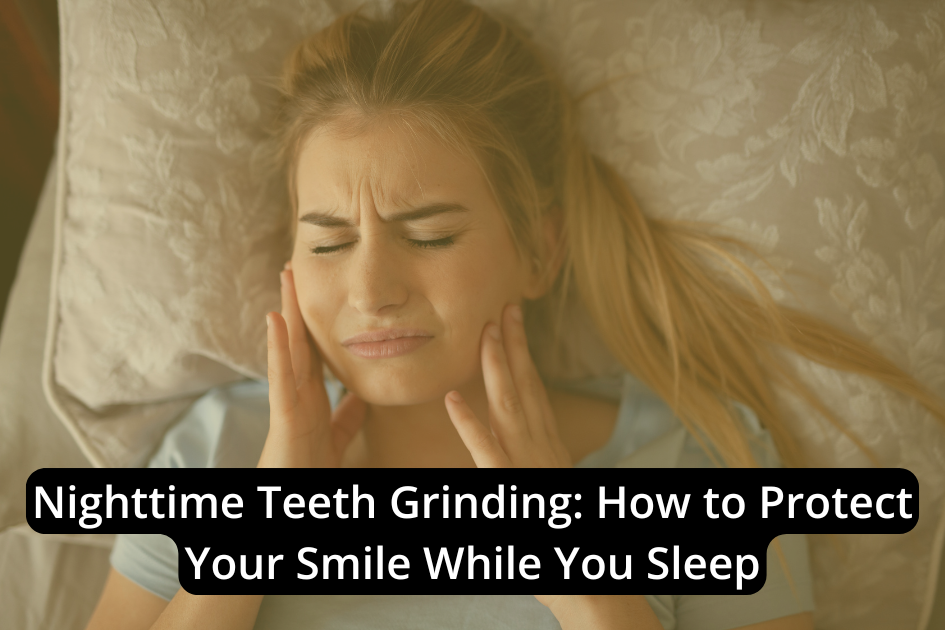
Let’s talk about the nightly habit many of us would rather not mention. We can prevent tooth wear and jaw pain by spotting subtle signs early and using evidence-based steps. We’ll cover how to identify grinding, why it happens, and what risks it carries. Then we’ll outline proven home strategies, stress reduction, and when a custom guard or professional care makes sense. If you want fewer morning headaches and stronger enamel, the next steps matter.
Signs You Might Be Grinding Your Teeth at Night
Three common clues suggest we’re grinding our teeth at night: morning jaw soreness or stiffness, dull headaches at the temples upon waking, and tooth wear such as flattened or chipped edges. We should also watch for gumline notches (abfraction), tooth sensitivity to cold, and tight or enlarged jaw muscles. Bed partners may hear clicking or grinding. Interrupted sleep or ear fullness without infection can accompany bruxism. During exams, we look for worn restorations, cracked enamel, and scalloped tongue edges. If these signs appear, let’s document patterns, avoid chewing gum, limit caffeine late, and schedule an evaluation for a custom nightguard and prevention plan.
Why Nighttime Grinding Happens
While the exact cause varies by person, nighttime grinding (sleep bruxism) typically stems from a mix of stress and anxiety, disrupted sleep physiology, and bite or airway issues. Stress elevates arousal responses and jaw-muscle activity during sleep. Fragmented sleep, apnea, and snoring trigger micro-awakenings that reinforce clenching. Certain medications, caffeine, alcohol, and nicotine increase risk by altering sleep architecture and neurotransmitters. A misaligned bite or parafunctional habits (day clenching) can prime the system. Genetics plays a role, too. We assess these drivers with a focused history, exam, and, when indicated, sleep screening. Targeting root causes guides prevention and tailored treatment.
Risks and Long-Term Effects on Your Smile
Because grinding loads teeth and joints beyond their design, it can chip enamel, flatten cusps, and expose dentin, accelerating wear and sensitivity. Over time, we may see fractures, failing fillings, gum recession, and shortened teeth that alter bite mechanics. The jaw joints and muscles can develop pain, headaches, and limited opening. Nighttime grinding also increases the risk of abfractions and root exposure, raising cavity risk along the gumline.
Cosmetically, attrition can thin edges, create translucency, and shorten the smile, aging facial support. Left unchecked, these changes compound, leading to complex restorations, potential root canals, and, in severe cases, tooth loss that affects chewing efficiency and speech.
At-Home Strategies to Reduce Clenching
Even small daily habits can lower clenching forces and protect enamel and joints. We start by training a relaxed jaw posture: lips together, teeth apart, tongue resting on the palate. We avoid chewing gum, ice, and tough jerky that condition overuse. We limit caffeine, alcohol, and nicotine near bedtime; they’re linked to increased parafunction. A well-fitted over‑the‑counter night guard can buffer forces while we arrange a custom guard if needed. We schedule consistent sleep and nasal breathing to reduce micro‑arousals. We apply warm compresses to the masseter and temple regions, then gentle range‑of‑motion and isometric exercises twice daily to normalize muscle tone.
Stress Management Techniques That Help Your Jaw Relax
Stress amplifies clenching and grinding, so we target the nervous system first to lower jaw muscle activity. We recommend evidence-based tools that downshift arousal before bed. Try 6–8 minutes of diaphragmatic breathing (four-second inhale, six-second exhale) to reduce sympathetic tone. Add brief progressive muscle relaxation, focusing on releasing the masseter and temporalis. A warm compress along the cheeks and temples increases blood flow and decreases trigger points.
We also suggest a 10-minute wind-down: dim lights, limit screens, and journal worries to reduce rumination. Daily aerobic activity and caffeine curtailment after noon improve sleep quality. If anxiety persists, consider CBT, shown to reduce bruxism frequency.
Choosing the Right Night Guard: OTC vs. Custom
While both over-the-counter (OTC) and custom night guards can reduce tooth wear from bruxism, they differ markedly in fit, protection, and long-term value. OTC guards are affordable and accessible, but their bulk and uneven fit can irritate tissues and alter bite. Custom guards, fabricated from digital impressions, distribute forces evenly, protect restorations, and tend to last longer. We weigh risk, symptoms, and budget with you to choose safely.
- Fit affects force distribution: precise adaptation lowers fracture and mobility risk.
- Material matters: lab-made polymers resist wear and deformation.
- Monitoring is essential: periodic checks guarantee comfort, stability, and timely replacement.
How a Custom Dental Guard Protects Your Teeth
Two key functions make a custom dental guard a reliable defense against bruxism: precise force distribution and tissue protection. Because it’s molded from your impressions, it seats stably, spreads bite forces evenly across the arches, and reduces peak pressure on enamel and restorations. That lowers the risk of fractures, craze lines, and accelerated wear.
We also create thickness where it matters to separate teeth and shield soft tissues from cheek or tongue trauma. A smooth, polished surface minimizes plaque retention. Proper occlusal design can deprogram overactive muscles, lowering joint load. With follow-up, we verify fit, adjust contacts, and replace a worn guard before protection declines.
Lifestyle Changes to Support Healthy Sleep and Jaw Muscles
A well-fitted night guard protects your teeth, and we strengthen that protection by addressing daily habits that trigger bruxism. We limit caffeine, alcohol, and nicotine in the evening, as they fragment sleep and increase jaw activity. We keep a consistent sleep schedule, dim screens an hour before bed, and use nasal breathing to reduce arousal. Gentle daytime jaw awareness helps: lips together, teeth apart, tongue on the palate. We add magnesium-rich foods, hydrate well, and exercise regularly without late high-intensity spikes.
- Reduce stimulants after 2 pm; avoid alcohol within 3 hours of bedtime
- Practice diaphragmatic breathing and posture breaks
- Establish a wind-down routine nightly
When to Seek Professional Evaluation and Treatment
Concerned your grinding isn’t just a bad habit? We should seek a professional evaluation when we notice morning jaw pain, headaches at the temples, tooth sensitivity, cracked or flattened teeth, gum recession, or partners reporting grinding sounds. Daytime clenching, limited jaw opening, or ear fullness also warrant attention. Evidence links bruxism with stress, sleep apnea, and certain medications, so we’ll review medical history, sleep patterns, and triggers.
In a visit, we’ll perform a thorough exam, check tooth wear with magnification, assess joints and muscles, and use digital X‑rays only when indicated. Early diagnosis prevents fractures, restorations failing, and chronic temporomandibular disorders.
Advanced Dental Solutions for Severe Bruxism
When conservative measures aren’t enough, we escalate to evidence‑based therapies that protect teeth, stabilize the bite, and reduce muscle overload. We start with custom, full‑coverage occlusal appliances fabricated from digital scans to distribute forces and prevent fracture. For patients with myofascial pain or hypertrophy, we may use botulinum toxin injections to the masseter and temporalis to reduce clenching intensity. If tooth wear has altered the vertical dimension, we plan phased restorative care, onlays, or crowns to reestablish anatomy and function. We also address airway and medication contributors, coordinate with sleep physicians, and monitor outcomes with follow‑ups and night‑guard wear checks.
- Precision fit improves adherence
- Multidisciplinary care reduces relapse
- Ongoing measurement guides adjustments
Conclusion
Let’s treat nighttime grinding as a gentle nudge from our bodies rather than a storm. By spotting the signs early, easing stress, and using well-fitted guards, we can cushion enamel, calm jaw muscles, and keep smiles steady. We’ll pair warm compresses, jaw posture training, and sleep-friendly habits with measured follow-ups. If clenching gets assertive, we’ll explore custom appliances and advanced care. With consistent, evidence-based steps, we’ll keep wearing minimal, discomfort, discreet, and long-term oral health on a smooth course.
Ready to protect your smile? Schedule a consultation with Pristine Family & Cosmetic Dentistry in San Antonio today to get a personalized plan and find the right night guard for you.
