 Skip to content
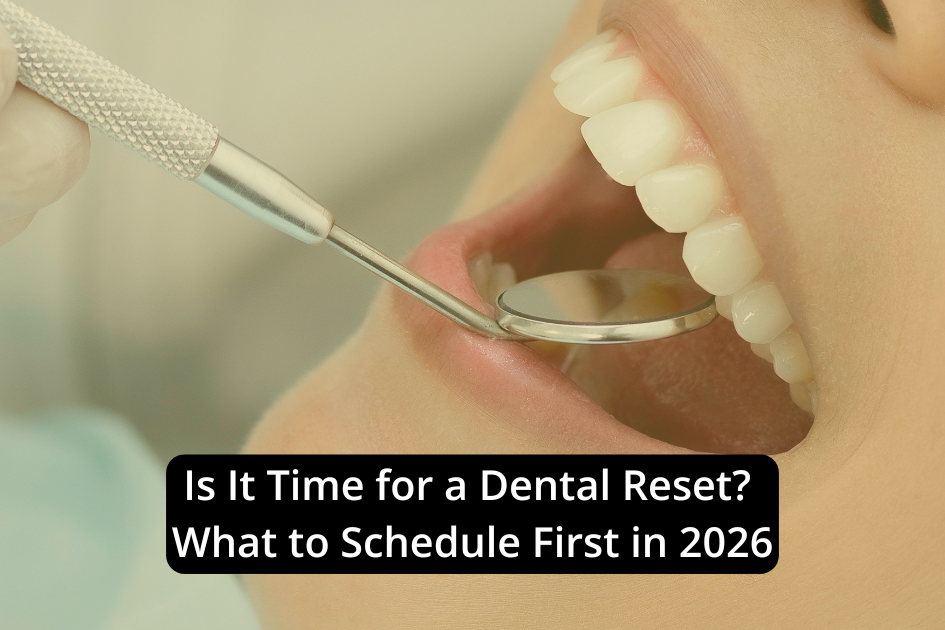
Like clearing last year’s plaque from a mirror, we can reset our dental baseline and plan smart. We’ll start with a thorough exam, then schedule a preventive cleaning and routine X-rays to spot small problems early. We’ll update health and medication history, flag tooth pain or aging restorations, and outline cosmetic priorities. If grinding or TMJ signs show, we’ll consider guards. Orthodontic options like Invisalign can follow, yet the first step determines everything that comes next.
Start with a Comprehensive Dental Exam
Blueprint first. We start 2026 with a thorough dental exam because precise diagnostics anchor every smart plan. Together, we review your history, risk factors, and goals; we apply evidence-based screening to map current health and future needs. We prioritize dental anxiety management so you feel safe and informed. We perform oral cancer screening, evaluate gum disease prevention markers, and assess enamel integrity to tailor fluoride treatment options. We examine bite, restorations, and sensitivity to prevent costly failures. For families, we include pediatric dental care guidance to shape healthy habits early. With this blueprint, we sequence care efficiently and restore predictably.
Prioritize Your Preventive Cleaning and X-rays
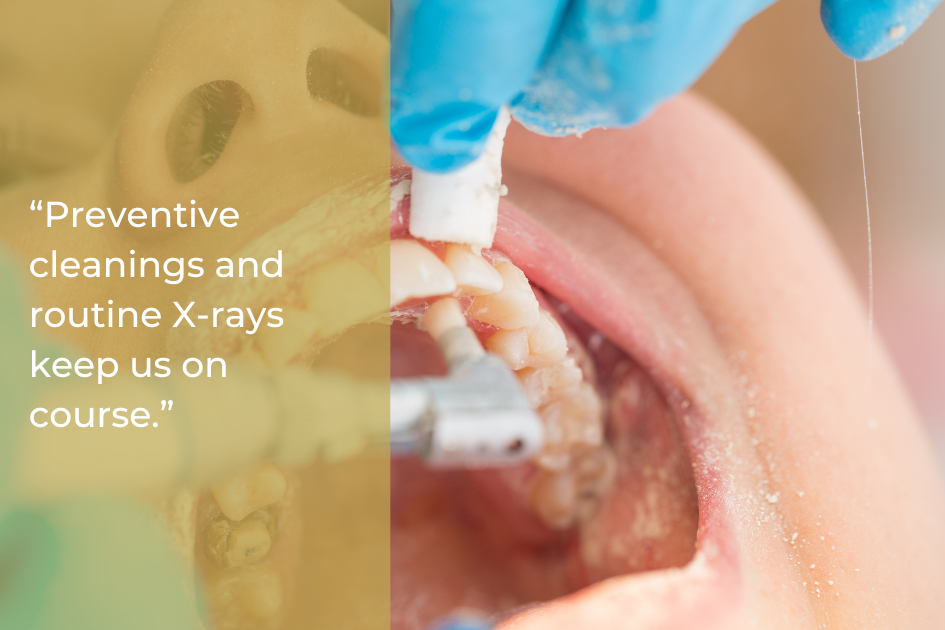
While the exam sets direction, preventive cleanings and routine X-rays keep us on course, catching disease before it becomes invasive and expensive. In preventive care, we target plaque buildup that hardens into calculus, fueling gingival inflammation and bone loss. Professional dental hygiene removes deposits that biofilm can’t, lowering pathogenic load and caries risk. Bitewing and periapical imaging reveal interproximal decay, early fractures, and hidden periodontal defects that we can treat conservatively.
With routine visits, we calibrate recall intervals to risk, reinforce home strategies, and document baselines for comparison. This proactive cadence safeguards oral health, reduces emergency interventions, and preserves tooth structure, our core restorative priority.
Update Your Health and Medication History
Preventive visits only work as intended when we align treatment with your current health status, so we start by updating your medical and medication history at each appointment. We ask about health changes, new diagnoses, and chronic conditions because they affect healing, bleeding risk, and anesthetic choice. We record medication interactions that influence salivary flow, blood pressure, bone metabolism, or clotting. We confirm allergy updates to avoid cross‑reactive materials and prescribe safely. We review supplements and recent hospitalizations. These details guide evidence-based decisions: when to premedicate, adjust dosages, select materials, or time procedures. Accurate histories reduce complications and sharpen dental implications.
Get Ahead of Tooth Pain or Old Dental Work
How do we stay ahead of tooth pain and failing restorations? We schedule based on risk, not convenience. If we’ve noticed zingers with cold or chewing, let’s act before cracks deepen. Evidence supports early intervention: seal sensitivity, repair margins, and replace fatigued materials before bacteria win.
- Prioritize dental urgency: spontaneous pain or swelling gets seen first.
- Choose sensitivity solutions: varnishes, desensitizing agents, or occlusal guards.
- Plan filling replacements when wear, fracture lines, or leakage appear.
- Use precise pain management: diagnosis-driven analgesics and conservative endodontics.
- Set treatment timelines: triage now, restore within weeks, monitor at 6–12 months.
Map Out Cosmetic Goals for the Year
One calendar year is enough to stage cosmetic upgrades with intention: we align whitening, bonding, aligners, and veneers to biology, materials, and shade stability. We begin with a smile analysis: document shade, translucency, wear, and gingival symmetry. Whitening first, then re-evaluate color; it sets baselines for cosmetic enhancements. If alignment is needed, we build treatment timelines around aligners, reserving bonding or veneers for post-movement refinement. We match ceramic thickness to enamel preservation, prioritize minimally invasive protocols, and plan provisionals when indicated. We integrate budget planning with phased care, sequencing by longevity, and risk. We honor aesthetic preferences while protecting function and tissues.
Consider Night Guards or TMJ Solutions if You Grind
Even if your schedule’s full, the new year is the ideal moment to address clenching and grinding that silently erode enamel. We’ll screen for grinding symptoms, measure dental wear, and discuss night guard benefits versus TMJ therapies. A custom guard stabilizes occlusion, reduces jaw tension, and protects restorations while improving sleep quality.
- Identify triggers: stress, caffeine, and sleep apnea risk.
- Document signs: tooth facets, fractures, recession, and morning headaches.
- Choose therapy: custom night guard, jaw exercises, short-term anti-inflammatories.
- Calibrate fit: adjust occlusion, verify even contacts, re-check after two weeks.
- Monitor outcomes: pain reduction, fewer fractures, stable enamel, better sleep.

Discuss Orthodontic Options like Invisalign or CandidPro
Night guards protect enamel from grinding, but alignment often drives long-term stability and function. In 2026, Invisalign and CandidPro offer clear aligners’ benefits: controlled tooth movement, fewer emergencies, and better hygiene access than brackets. We start with diagnostics, scans, photos, and bite analysis to set goals and estimate treatment duration, often 6–18 months. We’ll provide a cost comparison versus braces and outline financing. Aligner maintenance is straightforward: 22 hours/day wear, weekly changes, daily cleaning, and case storage. We review attachments, IPR, and refinements as needed. CandidPro’s remote monitoring can reduce visits. Success stories show improved occlusion, reduced wear risk, and stable restorative outcomes.
Conclusion
As we begin 2026, let’s approach our dental health with clarity and intention, treating it as a vital part of our overall wellness. Starting with a comprehensive exam, we can prioritize cleanings, digital X-rays, and preventive care that keeps small issues from becoming major ones. We’ll update medical histories, address lingering discomfort or aging dental work, and plan cosmetic goals that reflect your confidence. If grinding or jaw tension is affecting your smile, we’ll explore night guards or TMJ solutions. Considering orthodontic options like Invisalign or CandidPro? This is the perfect time to get started. With thoughtful planning and expert guidance, we’ll protect your smile and set the tone for a healthier year ahead.
Schedule your comprehensive exam today at Pristine Family & Cosmetic Dentistry in San Antonio, and let’s build your personalized dental care plan for 2026.

